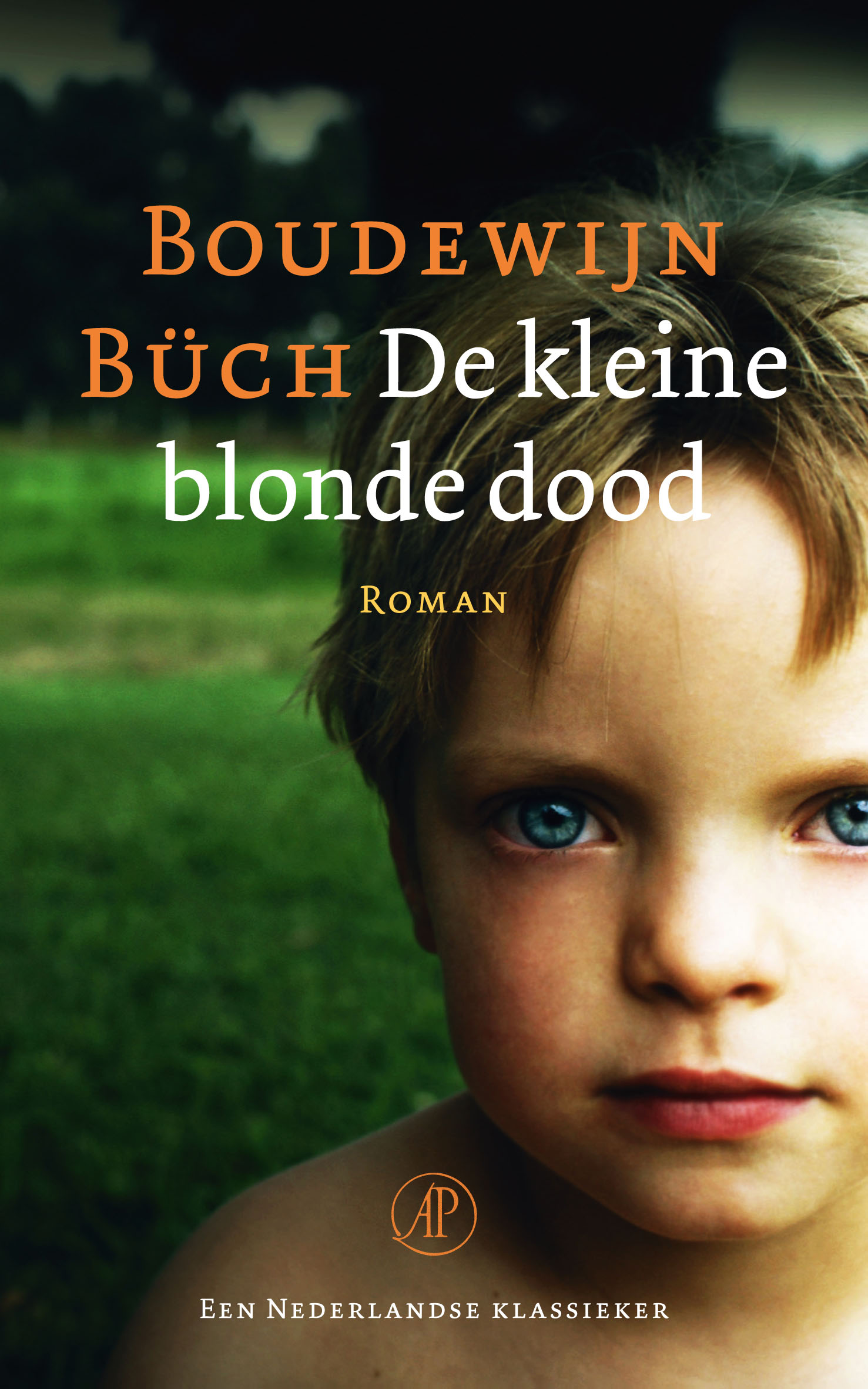
The Lingering Question: Who is Auteur Kleine Blonde Dood?
In the vast, interconnected tapestry of global arts and culture, certain names resonate with historical significance, artistic brilliance, or even controversial renown. Yet, occasionally, a name emerges from the periphery, hinting at a presence, an influence, or a body of work, only to recede into a perplexing digital void. Such is the intriguing case of Auteur Kleine Blonde Dood. This enigmatic appellation, evocative and somewhat mysterious, sparks immediate curiosity: who is this 'little blonde death' auteur, and what legacy have they left behind? Our investigation, however, quickly reveals a startling and pervasive absence of documented information, leading us not to a wealth of biographical or critical data, but to a fascinating exploration of digital impermanence, research challenges, and the potential fragility of artistic legacies in the modern age.
The initial inquiries into Auteur Kleine Blonde Dood, spanning academic databases, film archives, and general web searches, yield a consistent, almost startling result: a striking lack of concrete information. Rather than finding filmographies, critical analyses, or even fleeting mentions, the digital breadcrumbs vanish, replaced by notifications of "page no longer exists" or explicit statements that requested content is "not present in the provided text." This collective silence across various sources doesn't diminish the intrigue; instead, it amplifies the mystery, compelling us to understand not just who Auteur Kleine Blonde Dood might be, but why their digital footprint is so conspicuously absent.
The Digital Void: Unpacking the Absence of Data Surrounding Auteur Kleine Blonde Dood
Our journey into uncovering details about Auteur Kleine Blonde Dood is less a discovery of hidden archives and more an archaeological dig into digital nothingness. Reports consistently indicate that searches for this specific entity lead to dead ends: "that page was deleted from the deck," or content simply "does not contain any content about 'Auteur Kleine Blonde Dood'." This pattern isn't isolated to one specific platform or type of source but appears to be a systemic issue across academic papers referencing author representations, studies on collective memory, and even comprehensive film databases like IMDb, particularly when looking at Dutch cinema – a linguistic context that 'Kleine Blonde Dood' clearly suggests.
This widespread absence raises critical questions about how information is cataloged, preserved, and accessed in the digital age. Is it possible that Auteur Kleine Blonde Dood is a figure whose work predates widespread digital archiving, with their contributions languishing in unindexed physical records? Or, more unsettlingly, could their digital presence have been deliberately erased or lost due to data decay and the ephemeral nature of online content? The implications are profound for researchers, historians, and enthusiasts alike. The very notion of an "auteur" implies a distinct artistic voice and influence, yet for this individual, their voice seems to have been swallowed by the digital ether. This phenomenon highlights a significant vulnerability in our reliance on digital information, where "deleted" can often mean "lost forever." For a deeper dive into why such figures might remain undocumented, consider reading Why Auteur Kleine Blonde Dood Content Remains Undocumented.
The Elusive Nature of Niche Histories and Lost Data
The case of Auteur Kleine Blonde Dood serves as a stark reminder that not all histories are equally documented or preserved. Niche artists, independent creators, or figures whose work found only a limited audience might never have achieved the level of mainstream recognition required for comprehensive digital cataloging. Moreover, even when initial digital records exist, they are susceptible to deletion, link rot, or migration issues that render them inaccessible over time. This challenge is compounded when dealing with names that might be pseudonyms, collective identities, or even artistic concepts rather than singular, easily traceable individuals. The very name "Kleine Blonde Dood" (Little Blonde Death) carries a poetic, perhaps even fictional, weight, prompting us to consider if we are searching for an author, the author of a specific work, or even a metaphorical construct.
Practical Tip for Digital Archivists: To mitigate such losses, institutions and individuals should prioritize redundant backups, use open-source formats for digital preservation, and regularly audit links and metadata. Emphasize decentralized archiving to prevent single points of failure, ensuring that future searches for elusive figures like Auteur Kleine Blonde Dood yield more fruitful results.
The Broader Implications: Documenting and Preserving Artistic Legacies
The profound silence surrounding Auteur Kleine Blonde Dood transcends the specific details of a single artist; it casts a spotlight on broader, systemic challenges in cultural documentation and preservation. In an age where information is ostensibly at our fingertips, the inability to locate even basic biographical or filmographical data about a named "auteur" is a disquieting indicator of potential gaps in our collective memory. It underscores the fragility of digital records and the very real possibility that countless artistic contributions, particularly those from less-mainstream or earlier periods, could be sliding into oblivion.
Consider the significance of comprehensive metadata and robust cataloging practices. Without them, even if a physical artifact (a film print, a manuscript) exists, its digital discoverability is severely hampered. The name Auteur Kleine Blonde Dood, whatever its true nature, becomes a poignant symbol of the many unheralded creators whose works might be lost to future generations simply due to inadequate documentation. This scenario prompts a vital discussion about who decides what gets preserved, how it's preserved, and for how long. The lack of information about this particular auteur could be a symptom of a larger issue where smaller, independent, or regionally specific works are overlooked in global digital archiving efforts.
Strategies for Unearthing Lost Histories
For those committed to uncovering such elusive figures, the path often involves moving beyond conventional search engines and into more specialized forms of research:
- Deep Web and Academic Databases: Explore specialized academic archives, obscure institutional repositories, and historical digital libraries that might contain niche publications or conference papers not indexed by general search engines.
- Linguistic and Cultural Context: Given the Dutch nature of "Kleine Blonde Dood," focus searches within Dutch cultural archives, film institutes, and historical societies. Language-specific search terms and platforms can yield different results.
- Semantic Search Variations: Investigate whether "Kleine Blonde Dood" might refer to a film title, a character, or a literary work, and then search for its author. The phrase "Auteur Kleine Blonde Dood" could be a descriptive term rather than a direct name.
- Physical Archives and Oral Histories: When digital paths fail, traditional research methods become paramount. This involves consulting physical archives, rare book libraries, and conducting interviews with historians or cultural figures who might possess undocumented knowledge.
- Crowdsourcing and Community Engagement: Sometimes, the collective memory of enthusiasts and local communities can provide the missing pieces. Engaging with online forums dedicated to niche cinema or cultural history could spark unexpected leads.
Examining the profound implications of such digital absences is crucial, as explored further in Auteur Kleine Blonde Dood: Examining Its Absence in Digital Records.
Hypotheses and Speculation: What Could Auteur Kleine Blonde Dood Represent?
Given the striking lack of factual data, our quest for Auteur Kleine Blonde Dood necessarily shifts from concrete discovery to reasoned speculation. The very term "Kleine Blonde Dood" (Little Blonde Death) is highly evocative. Is it a person's actual name? Highly unlikely for an author. Is it a pseudonym chosen for artistic effect, perhaps to evoke a specific tone or genre? This is a compelling possibility, often employed by artists wishing to cultivate a mysterious persona or to separate their artistic work from their personal identity. Such pseudonyms are notoriously difficult to trace without direct links.
Another strong hypothesis, especially considering the academic context from which the inquiry initially stemmed, is that "Kleine Blonde Dood" might be the title of a work, and "Auteur Kleine Blonde Dood" would simply refer to "the author of 'Kleine Blonde Dood'." If the work itself is obscure, deleted, or never fully published, then its author would naturally remain elusive. This could be a specific film, a novel, a play, or even a theoretical concept discussed in academic circles without referring to a widely recognized creator.
Exploring Other Potential Scenarios
- A Collective or Collaborative Entity: "Auteur Kleine Blonde Dood" could represent a group of artists, a production company, or a movement rather than a singular individual. Collective names are often harder to index under a traditional "author" framework.
- An Early Career or Unfinished Work: Many artists produce early works that never gain widespread recognition or are never fully completed. If "Kleine Blonde Dood" was such an endeavor, its auteur might simply not have a significant public record.
- Misidentification or Translation Error: It's possible the name is a misinterpretation or a partial translation from another language, leading to a search query that doesn't accurately reflect the original entity.
- A Fictional Construct: In some academic or literary contexts, a hypothetical "auteur" might be invoked as an example or a case study. The reference to "author representations" in the initial context supports this idea—it might not refer to a real, existing auteur at all, but rather to a theoretical one within a discussion.
These scenarios highlight the multi-layered challenge of researching an entity like Auteur Kleine Blonde Dood. Without any concrete anchor, the search becomes a philosophical exercise in the nature of identity, documentation, and the elusive boundaries of digital existence.
Conclusion: The Enduring Mystery of Auteur Kleine Blonde Dood
The search for Auteur Kleine Blonde Dood culminates not in a definitive answer, but in a profound reflection on the nature of information, memory, and legacy in the digital age. This elusive name stands as a powerful symbol for all the artistic voices that teeter on the brink of digital oblivion – whether due to lost data, insufficient archiving, or simply a lack of sustained public attention. The journey to find this 'little blonde death' auteur underscores the critical importance of robust digital preservation strategies, meticulous cataloging, and a persistent, multi-faceted approach to historical research that extends beyond the easily searchable web. While the definitive identity and works of Auteur Kleine Blonde Dood may continue to evade us, the very act of searching illuminates the vast, complex, and often fragile landscape of our shared cultural heritage. It reminds us that every piece of data, every archived page, and every documented legacy plays a crucial role in preventing artistic contributions from vanishing into the digital void, ensuring that no creative voice, however niche or obscure, is ever truly lost.