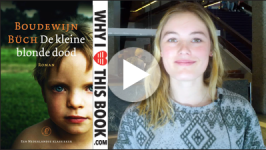
The Mystery of "Auteur Kleine Blonde Dood": Unpacking an Undocumented Cultural Enigma
In the vast, interconnected tapestry of global culture and digital information, it's rare to encounter a subject that consistently evades comprehensive documentation. Yet, the term Auteur Kleine Blonde Dood presents precisely such an enigma. A superficial search for this intriguing phrase, suggestive of a distinct artistic voice or creator ("Auteur") and a poetic, somewhat melancholic Dutch descriptor ("Kleine Blonde Dood" – literally, "Little Blonde Death"), quickly leads to a curious void. Unlike readily available information about established artists, movements, or even obscure independent works, content directly pertaining to Auteur Kleine Blonde Dood seems stubbornly absent from common digital archives, academic databases, and even popular cultural aggregators.
Our own investigations, mirroring the experiences of many researchers, confirm this peculiar scarcity. Extensive digital trawls, including specific requests for information on this subject, have consistently yielded disclaimers of absence, such as "Page no longer exists" or "content is not present." This isn't just about finding niche content; it's about a striking lack of *any* substantial record. This article delves into the potential reasons behind this unusual undocumented status, exploring the various factors that might contribute to such a profound digital silence around a seemingly specific cultural identifier.
The Digital Void: Unpacking the Absence of "Auteur Kleine Blonde Dood"
The immediate challenge when researching Auteur Kleine Blonde Dood is the sheer lack of verifiable information. Digital resources, typically robust in cataloging everything from ancient history to fleeting internet trends, offer little to no footing. This digital void is not merely an inconvenience; it raises fundamental questions about how cultural memory is preserved, lost, or perhaps never even fully formed in the public consciousness.
- Initial Research Frustration: Many attempts to locate information about Auteur Kleine Blonde Dood hit dead ends. Search results frequently return messages indicating that the specific content requested is unavailable or was never indexed. This suggests either an extremely localized, ephemeral, or non-existent entity within the broadly accessible digital sphere.
- The Language Clue: The Dutch phrase "Kleine Blonde Dood" is a significant hint. It points to a potential origin within Dutch-speaking cultural circles. However, even within Dutch film archives or literary databases, direct connections remain elusive. This suggests that if it exists, it might be incredibly niche, underground, or perhaps misremembered under this specific moniker.
- Beyond Common Search Parameters: When traditional search engines and databases fail, researchers often turn to more specialized archives, academic papers, and cultural forums. Yet, the pattern persists: The Elusive Auteur Kleine Blonde Dood: A Search for Missing Data often yields similar results – a collective silence that stands in stark contrast to the specificity of the term itself. This level of undocumented status is atypical, especially for a term implying an "auteur," a creative force.
This absence forces us to consider a range of possibilities, from deliberate obscurity to accidental digital loss, each shedding light on the fragile nature of cultural documentation in the digital age. The very act of searching for Auteur Kleine Blonde Dood becomes an exercise in understanding the boundaries and limitations of our shared information repositories.
Potential Factors Contributing to Undocumentation
Why would a term as evocative as Auteur Kleine Blonde Dood remain so stubbornly undocumented? Several factors, alone or in combination, could contribute to this unique situation:
- Extreme Niche or Obscurity: It's possible that Auteur Kleine Blonde Dood refers to an artist or a work that operated on the extreme fringes of culture. This could be experimental performance art, ultra-independent filmmaking with limited distribution, a singular literary piece, or even a local community project that never sought wider recognition. Such works often rely on word-of-mouth or limited, non-digital documentation, making their digital footprint negligible.
- Linguistic and Cultural Barriers: While "Kleine Blonde Dood" is clearly Dutch, the specific context might be deeply embedded in a particular subculture or artistic movement within the Netherlands that hasn't crossed international linguistic or cultural translation barriers. Information might exist in highly specialized local archives or oral histories, inaccessible to broader digital indexing.
- Ephemeral Works and Performance Art: The "Auteur" component suggests a creator, but the "Kleine Blonde Dood" could be the title of an ephemeral work, like a performance art piece, a fleeting exhibition, or a short-lived artistic collective. Such events, by their nature, often leave minimal permanent records, existing primarily in the memory of those who experienced them. Digital documentation for these can be sparse unless a dedicated effort was made at the time.
- Digital Archiving Challenges and Data Loss: The internet, while vast, is not infallible. Websites go offline, databases are pruned, and old content is sometimes lost or deleted. The reference context itself hinted at "Page no longer exists" and "that page was deleted from the deck," a stark reminder of the impermanence of digital information. It's conceivable that early or singular mentions of Auteur Kleine Blonde Dood were victims of such digital decay, leaving little trace for current searches. For a deeper dive into this phenomenon, explore Auteur Kleine Blonde Dood: Examining Its Absence in Digital Records.
- Pseudonym or Misattribution: "Auteur" often implies a known name. However, it could be a pseudonym used for a very specific project, where the actual artist is known by a different name for other works. Or, perhaps Kleine Blonde Dood itself is a misremembered title, a folk-etymological creation, or a conceptual art piece whose existence is more about the idea than a tangible, documented output.
- Conceptual or Fictional Entity: In some intriguing cases, a term like this might refer to a conceptual art project, a fictional character within a larger narrative, or even a term coined in error or as a hypothesis, which never truly materialized as an independently documented entity. The very act of searching for it and finding nothing could be part of its conceptual essence.
Understanding these potential reasons is crucial for anyone trying to navigate the complexities of finding undocumented cultural information. It moves beyond simple keyword searches to a more nuanced appreciation of how content enters, or fails to enter, the public digital record.
The Broader Implications: Why Undocumented Art Matters
The case of Auteur Kleine Blonde Dood, whether it represents a truly forgotten artist, an ephemeral work, or even a conceptual void, highlights a significant challenge in cultural preservation. Every piece of undocumented art or cultural contribution represents a potential loss to humanity's collective memory and understanding of its creative expressions.
- Loss of Cultural Heritage: When works or artists remain undocumented, their insights, perspectives, and unique contributions are lost to future generations. This impoverishes our understanding of cultural evolution and diversity.
- Challenges for Future Research: Historians, critics, and enthusiasts rely on documented sources to piece together narratives of cultural development. The absence of records creates insurmountable gaps, making it difficult to trace influences, trends, or the full scope of an artistic period.
- The Importance of Digital Preservation: This situation underscores the critical need for robust digital archiving initiatives. Projects focused on digitizing rare materials, preserving niche online content, and actively documenting contemporary ephemeral art are vital. It's not enough to simply create; conscious efforts must be made to preserve.
- Community and Citizen Archiving: For entities like Auteur Kleine Blonde Dood, the answer might lie with passionate communities or individuals. Citizen archivists, local historians, and dedicated fans can play a crucial role in documenting what mainstream institutions might overlook. Personal collections, oral histories, and local newspapers can be invaluable resources.
Tips for those seeking similarly elusive content:
- Expand Search Terms: Try variations, related concepts, or broader categories (e.g., "Dutch experimental film," "post-modern Dutch literature").
- Leverage Niche Forums and Social Media: Specific communities (e.g., academic subreddits, art history groups, local cultural forums) might hold the key.
- Consult Physical Archives: Libraries, university special collections, and local historical societies may contain non-digitized materials.
- Interviews and Oral Histories: Connect with older artists, curators, or cultural figures who might remember niche movements or individuals from previous decades.
Navigating the Search: Tips for Unearthing Lost Cultural Data
For researchers and enthusiasts captivated by the mystery of Auteur Kleine Blonde Dood or similar undocumented cultural phenomena, the journey requires persistence and a multi-faceted approach. Rather than concluding that an entity doesn't exist simply because it lacks a digital footprint, consider the following strategies to potentially unearth lost cultural data:
- Think Beyond Keyword Searches: While essential, direct keyword searches for "Auteur Kleine Blonde Dood" have proven insufficient. Begin to research broader themes:
- Time Periods: If you suspect a specific era, research Dutch art, literature, or film movements from those decades.
- Geographic Location: Focus on Dutch cultural institutions, local art scenes, or historical societies.
- Associated Genres/Movements: Is "Kleine Blonde Dood" evocative of a particular artistic style (e.g., surrealism, existentialism, experimental)? Research those movements in a Dutch context.
- Dive into Academic and Specialized Databases: General web searches are just the tip of the iceberg. Explore academic databases like Google Scholar, JSTOR, or university library portals. Look for obscure journals, theses, or dissertations that might mention fringe artists or cultural projects.
- Explore Archival Collections: Many institutions, particularly in Europe, have extensive physical and sometimes digitized archives for film, literature, and visual arts. Consider contacting:
- The EYE Filmmuseum in the Netherlands.
- The National Library of the Netherlands (Koninklijke Bibliotheek).
- University art or media studies departments in Dutch universities.
- Engage with Expert Communities: Forums, mailing lists, and social media groups dedicated to specific niches (e.g., Dutch experimental cinema, obscure European literature, performance art history) can be invaluable. Someone in these communities might possess anecdotal knowledge or lead you to hidden resources.
- Consider Misspellings or Alternative Names: Could "Kleine Blonde Dood" be a mistranslation, a commonly misspelled title, or part of a longer, more complex name? Explore variations in spelling or phrasing. Similarly, the "Auteur" might be a pseudonym; could the artist be known by another name?
- Research the Concept: If a direct entity remains elusive, consider if "Kleine Blonde Dood" is a conceptual term rather than a specific work or artist. Is it a theoretical construct, a cultural metaphor, or perhaps a title that was proposed but never realized?
The quest for undocumented content is often a long and winding one, but each step helps to either uncover hidden gems or to better understand the mechanisms through which cultural memory is shaped and sometimes, inadvertently, erased.
Conclusion
The persistent absence of documented content for Auteur Kleine Blonde Dood serves as a potent reminder of the fragility of cultural memory in the digital age. It's a fascinating paradox: a term specific enough to pique curiosity, yet elusive enough to evade all conventional digital discovery. Whether it refers to a genuinely obscure artist, an ephemeral work lost to time, a niche phenomenon that never sought wider documentation, or even a conceptual construct, its undocumented status forces us to reflect on how we value, preserve, and access our shared cultural heritage.
The journey to uncover details about entities like Auteur Kleine Blonde Dood is more than just an academic exercise; it's a testament to the ongoing importance of diligent research, cross-disciplinary inquiry, and the tireless efforts of archivists and enthusiasts. As the digital landscape continues to evolve, understanding the reasons behind such voids is crucial for ensuring that the vibrant tapestry of human creativity, no matter how niche or ephemeral, finds its rightful place in our collective historical record.